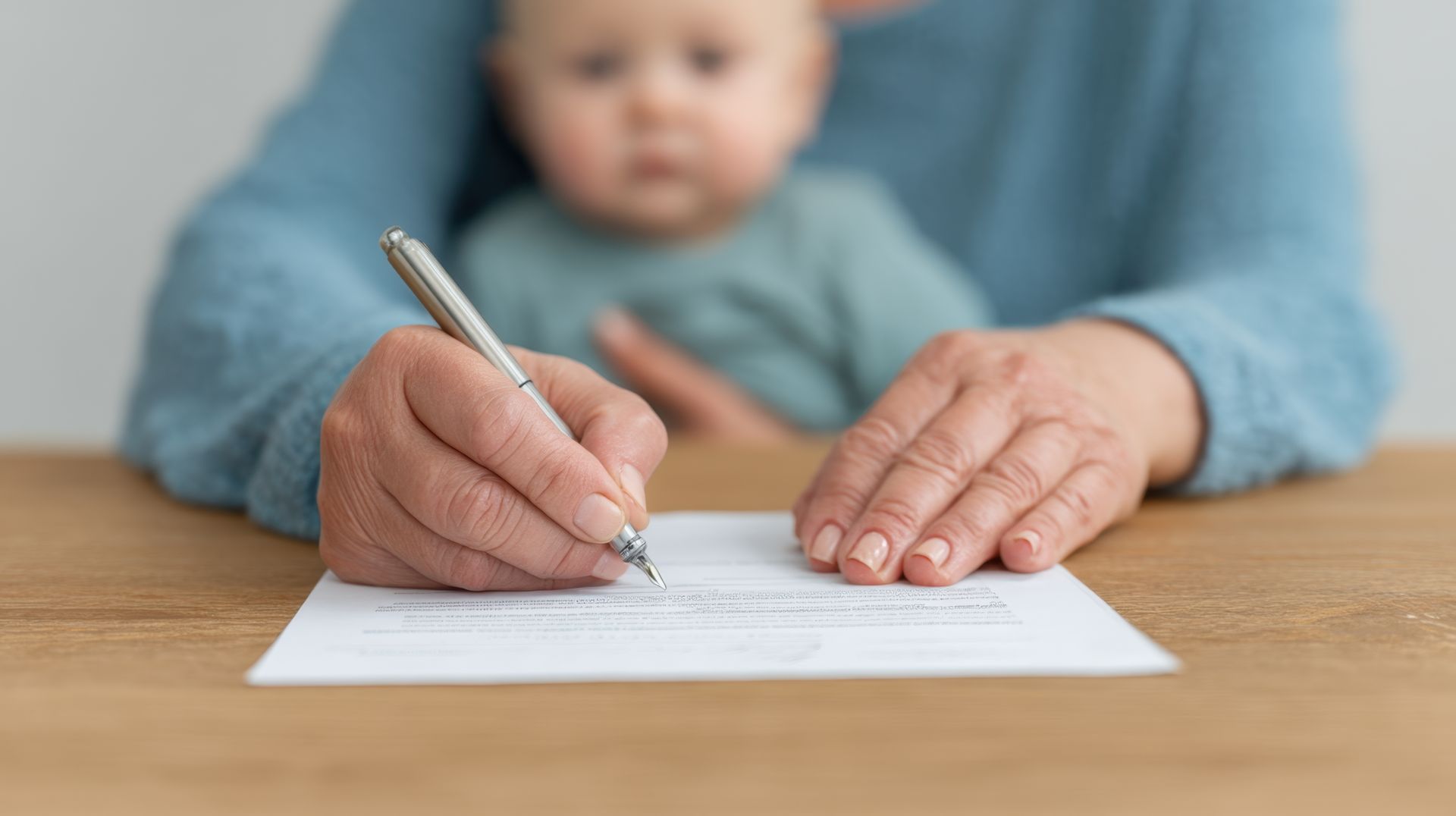

Child Custody Cases: The Crucial Role of an Attorney

August 29, 2024

Child custody cases can be one of the most emotionally challenging legal issues that families face. Whether you are going through a divorce or dealing with a custody dispute, understanding the complexities of child custody laws in Florida is crucial. In this blog post, we will explore what makes up child custody cases, and how having an experienced family law attorney on your side can make a significant difference in the outcome.


Child custody cases typically involve two main types of custody: legal custody and physical custody. Legal custody refers to the right to make important decisions about a child's upbringing, such as education, healthcare, and religious upbringing. Physical custody, on the other hand, determines where the child will live on a day-to-day basis. In Florida, courts prioritize the best interests of the child when making decisions about custody arrangements. This means considering factors such as each parent's ability to provide for the child's emotional and physical needs, any history of domestic violence or substance abuse, and the child's relationship with each parent.


When it comes to navigating the complexities of child custody cases in South Florida, having an experienced family law attorney by your side can make all the difference. An attorney can help you understand your rights and responsibilities under Florida law, guide you through negotiations with your co-parent or their legal representation, and represent you in court if necessary. At Quinn Law Firm, our team has extensive experience helping clients with a wide range of family law matters, including child custody cases.


In addition to providing legal representation during child custody disputes, an attorney can also help you draft a parenting plan that outlines how decisions regarding the child's upbringing will be made and how parenting time will be divided between parents. Having a clear and comprehensive parenting plan in place can help prevent future conflicts and ensure that both parents are on the same page when it comes to co-parenting their children.


Furthermore, an attorney can also assist you with modifying existing custody orders if circumstances change after the initial agreement was made. For example, if one parent wants to relocate with the child or if there are concerns about parental fitness or safety issues, an attorney can help you petition the court for modifications to ensure that your child's best interests are protected.


Child custody cases are complex legal matters that require careful consideration of various factors to ensure that children's best interests are prioritized. By working with an experienced family law attorney like Quinn Law Firm in South Florida, you can navigate these challenges more effectively and protect your rights as a parent. If you are facing a child custody dispute or have questions about your rights under Florida law, don't hesitate to reach out for expert legal guidance and support.


Person in blue shirt at table with lawyer in blue jacket; legal documents, gavel, and scales of justice.
December 10, 2025
Transgender or LGBTQ+ name change in Fort Lauderdale? Learn Florida’s legal steps, court process, and how Quinn Law, P.A. can help you update your name with confidence.
November 27, 2025
How to Legally Change Your Name in Florida: A Step-by-Step Guide for Broward County Residents
A person kissing a baby's foot, representing paternity cases in Broward County, FL.
October 30, 2025
DNA Testing and Paternity in Fort Lauderdale: Protecting Parental Rights
Bride signing a marriage certificate, representing divorce court in Broward County, FL.
October 2, 2025
Navigating Divorce in Broward County: What to Expect in Fort Lauderdale Courts
A man is carrying a baby on his shoulders on the beach.
August 21, 2025
What to Do If the Father Won’t Acknowledge Paternity in Florida
Two wedding rings on top of a prenuptial agreement
July 24, 2025
How to Update Your Prenup as Your Life Changes (and When You Should)
A person is writing on a clipboard next to a judge 's gavel.
May 29, 2025
Name Change After Divorce in Florida: What You Need to Know Divorce brings a host of life changes, and for many, reclaiming a former name is a powerful step toward a fresh start. In Florida, changing your name after a divorce is a legal process that can be simple—if you know what to expect. Whether you're hoping to return to your maiden name or adopt a new identity altogether, understanding the legal steps and requirements is key. At Quinn Law, P.A. in Fort Lauderdale, we’ve guided countless individuals through family law matters, including legal name changes following divorce. Here's what you need to know to make the process as smooth as possible. Can I Change My Name as Part of My Divorce? Yes. Florida law allows you to request a name change during divorce proceedings. This is often the most convenient time to make the change, as it can be included directly in your divorce judgment. If you want to return to your maiden name or a prior legal name, you should inform the court before the final judgment is issued. Once approved, the name change becomes official as part of the court's final order. What If I Didn’t Change My Name During the Divorce? If your divorce has already been finalized and you didn’t request a name change at that time, you can still change your name through a separate legal process. This involves filing a Petition for Name Change (Adult) with the circuit court in your county. You will also need to submit fingerprints for a background check and attend a hearing before a judge. Though more involved than changing your name during divorce, this process is still very manageable with proper guidance and preparation. Steps to Legally Change Your Name After Divorce in Florida File a Petition for Name Change (Adult) with the circuit court in your county. Get fingerprinted and complete a criminal background check, as required by Florida law. Attend a court hearing , where the judge will review your petition and may ask you a few questions. Receive a Final Judgment of Name Change , which legally authorizes your new name. Once you have the court order, you’ll need to update your name with various agencies and institutions, including: Social Security Administration Florida Department of Highway Safety and Motor Vehicles Passport office Banks and credit cards Employers and insurance companies Why Timing Matters Changing your name during divorce is usually faster and less expensive than doing it later. It allows you to avoid filing a separate petition and paying additional fees. If you are unsure during the divorce process whether you want to revert to a previous name, it’s still worth discussing with your attorney so your options remain open. Ready to Reclaim Your Name? At Quinn Law, P.A., we understand that a name change after divorce is more than just a legal step—it’s a personal one. Whether you’re preparing for divorce or have already finalized it and want to move forward with a name change, our Fort Lauderdale legal team is here to support you.
A pair of wedding rings sitting on top of a piece of paper next to a gavel.
May 1, 2025
Alimony in Florida: What You Need to Know About Spousal Support
A wooden judge 's gavel is sitting on a table in front of a stack of books.
March 13, 2025
This blog post discusses how to create a hurricane-ready parenting plan in South Florida, emphasizing the importance of preparation, clear communication, and considering the unique aspects of storm season. It highlights key elements to include in the plan for the safety and well-being of children during hurricanes.
A statue of lady justice and a judge's gavel sitting on a desk.
February 13, 2025
When going through a high-asset divorce in Fort Lauderdale, it’s crucial to identify potential hidden assets that may be concealed to avoid equitable distribution. Learn the red flags that could indicate assets are being hidden and what steps you can take to protect your financial interests.