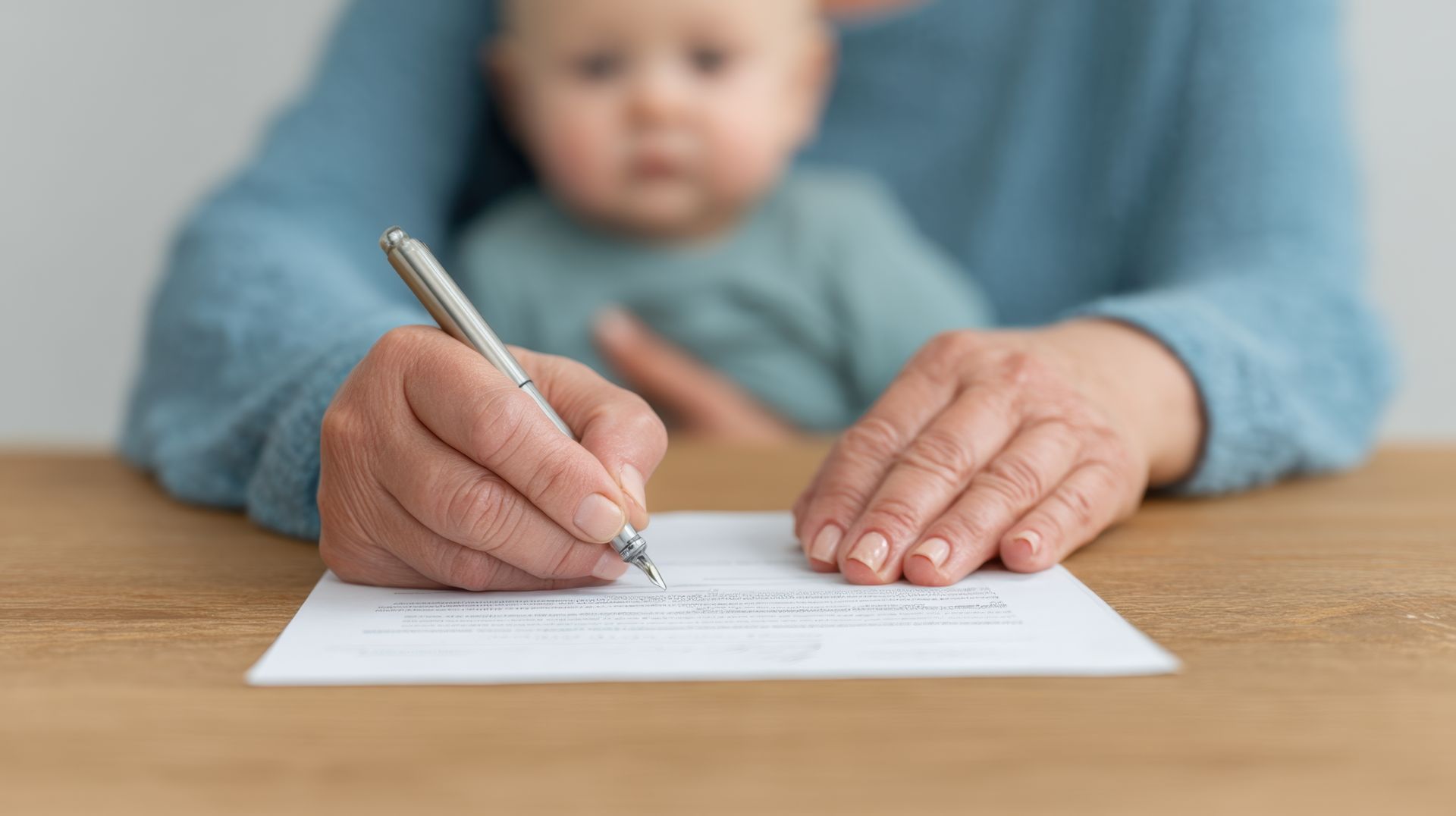

Can You Change Your Child's Last Name in Florida?
Can You Change Your Child's Last Name in Florida?
There are many reasons why a parent may want to change a child's last name. A family may have experienced a divorce, remarriage, adoption, or another significant life change. In other situations, a parent may simply want the child's legal name to better reflect their family relationships.
Changing a child's last name in Florida is possible, but the process is different from changing an adult's name. Courts carefully consider whether the requested name change is in the child's best interests before approving the request.
Can a Parent Change a Child's Last Name Without Going to Court?
In most cases, a child's legal name cannot simply be changed by using a different name at school, with a doctor, or on other records.
To legally change a minor child's last name, a court order is generally required. Once the court approves the request, the child's legal records can be updated to reflect the new name.
Do Both Parents Have to Agree?
Whether both parents must consent depends on the circumstances.
If both legal parents agree to the name change, the process is often more straightforward because the court can review the agreement and determine whether approving the request is appropriate.
If one parent objects or cannot be located, the court may still consider the request. However, additional legal procedures and hearings may be necessary before a decision is made.
How Does the Court Decide?
The court's primary concern is whether the proposed name change serves the child's best interests.
When making this determination, the court may consider factors such as:
- The child's relationship with each parent.
- How long the child has used their current name.
- The child's age and maturity.
- Whether the name change would promote stability.
- The effect the change may have on the child's emotional well-being.
- Any other circumstances relevant to the child's welfare.
Every case is evaluated based on its own unique facts.
What Is the Legal Process?
Although each case is different, the process generally includes:
- Filing a petition with the court.
- Providing notice to the other parent when required.
- Attending a court hearing, if necessary.
- Presenting information supporting the requested name change.
- Receiving a court order if the request is approved.
The court may require additional information depending on the circumstances of the case.
Can a Child Choose Their Own Last Name?
A child's wishes may be considered in some situations, particularly if the child is older and mature enough to express a meaningful preference.
However, the child's preference is only one factor the court may consider. The judge will ultimately decide whether the requested name change is in the child's best interests.
What Happens After the Name Change Is Approved?
Once the court signs the order approving the name change, parents may begin updating the child's legal records.
These updates may include:
- Social Security records.
- School records.
- Medical records.
- Insurance information.
- Passport records, when applicable.
- Other government or personal records.
Updating these documents helps ensure consistency across the child's legal and personal records.
Why Legal Guidance Can Be Helpful
A child's name change involves more than completing paperwork. The legal process may include notice requirements, court filings, and questions about parental rights or consent.
An experienced family law attorney can help:
- Prepare the required documents.
- Explain the court process.
- Address issues involving parental consent.
- Represent you during hearings, when necessary.
- Help ensure the request complies with Florida law.
Having legal guidance can help the process move more smoothly while protecting your child's interests.
How Quinn Law, P.A. Can Help
Changing a child's last name is an important legal decision that can have lasting effects. Understanding the legal requirements and the factors a court considers can help you determine the best path forward for your family.
At Quinn Law, P.A., Attorney Antonio D. Quinn assists clients throughout Fort Lauderdale and Broward, Miami-Dade, and Palm Beach counties with child name changes, adult name changes, divorce, paternity, and other family law matters. If you are considering changing your child's last name, our firm can explain the legal process, answer your questions, and help you pursue a solution that serves your family's needs. Contact us today to schedule a free, confidential consultation.