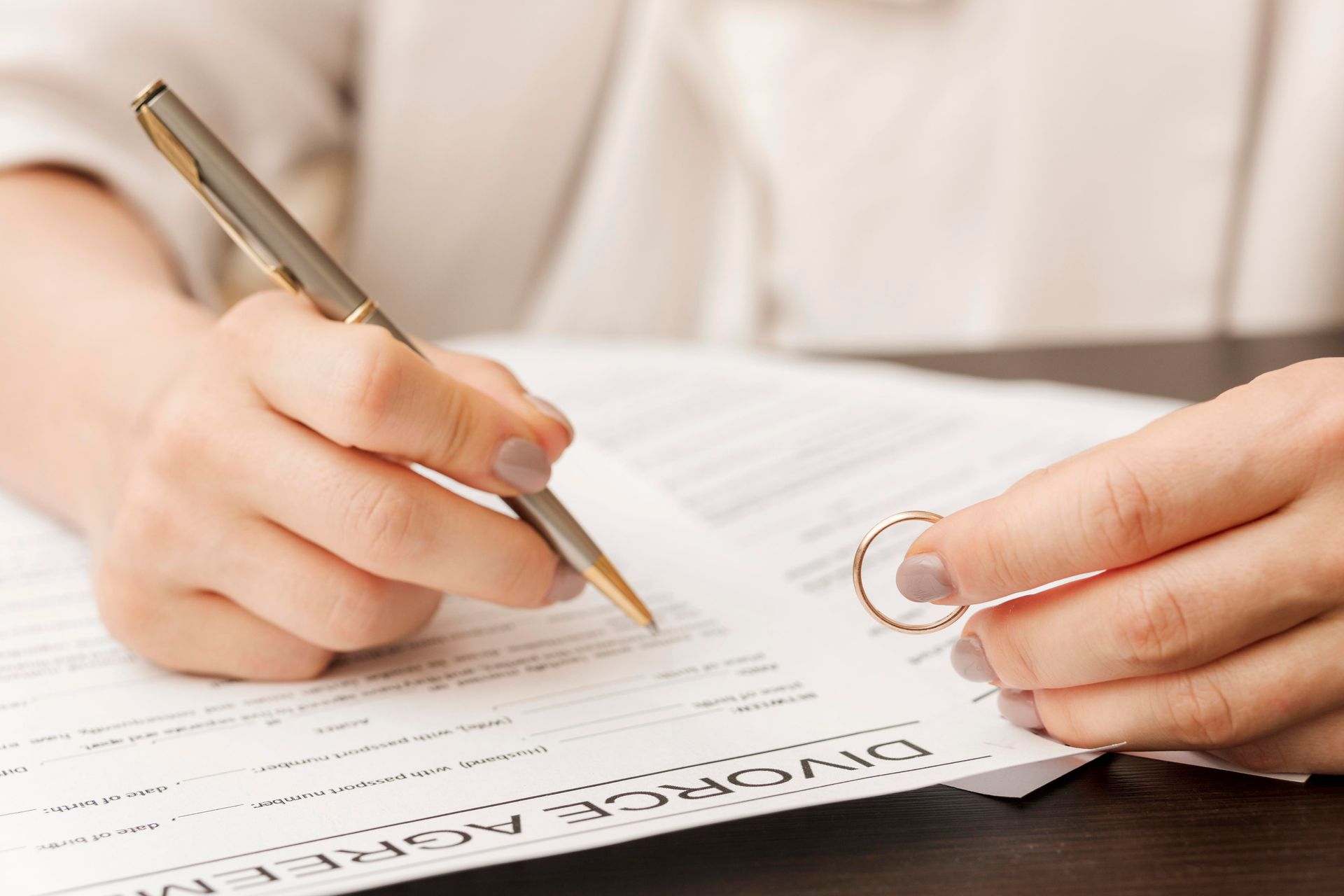

How Is Property Divided in a Florida Divorce?
How Is Property Divided in a Florida Divorce?
When a marriage ends, one of the biggest questions is “Who gets what?” From the family home to retirement accounts and debts, dividing property can feel overwhelming.
Florida follows a set process for dividing property in a divorce. Here’s a simple look at how it works and what you can do to protect your interests.
Florida Uses “Equitable Distribution”
Florida is an equitable distribution state. That means the court divides marital property and debts fairly. In Florida, the starting point is an equal split. A judge may divide property unequally if there’s a legal reason to do so.
Each spouse also keeps their own nonmarital property. That’s why the first step is deciding what is marital and what isn’t.
What Is Marital Property?
Marital property generally includes assets and debts acquired during the marriage, no matter whose name is on them. This can include:
- The family home and other real estate bought during the marriage
- Income earned during the marriage
- Bank and investment accounts
- Retirement benefits earned during the marriage
- Vehicles, furniture, and household items
- Credit card balances, loans, and other debts taken on during the marriage
- Gifts between spouses
Assets acquired during the marriage are presumed marital unless shown otherwise.
What Is Nonmarital Property?
Nonmarital property generally belongs to one spouse and isn’t divided. This can include:
- Assets or debts owned before the marriage
- Inheritances received by one spouse
- Gifts from someone other than your spouse
- Property excluded by a valid prenuptial or postnuptial agreement
Nonmarital property can become partly marital in some situations. For example, if a home owned before the marriage increased in value because marital money or effort went into it, that increase may be treated as marital. Mixing nonmarital funds with joint accounts can also make them harder to trace.
When Does Property Stop Being Marital?
In Florida, property is generally classified as marital up to the date a divorce petition is filed, or an earlier date set by a valid separation agreement. Assets acquired after that point are usually treated as separate.
What Can Lead to an Unequal Split?
Although the court starts with an equal division, it may consider factors such as:
- Each spouse’s contributions to the marriage, including child care and homemaking
- The length of the marriage and each spouse’s financial situation
- Whether one spouse put their career or education on hold
- Whether one spouse helped the other build a career or business
- The desire to keep the marital home for a child, when it’s in the child’s best interest and financially feasible
- Whether a spouse intentionally wasted or hid marital assets
Can Spouses Decide on Their Own?
Yes. Many couples reach their own agreement on how to divide property, either directly or through mediation. If both spouses agree, the court will generally approve a fair agreement. This is often faster and less costly than leaving the decision to a judge. Learn more about whether an uncontested divorce may be right for you.
Tips to Protect Your Interests
- Gather financial records, including bank, retirement, mortgage, and credit card statements.
- Make a list of assets and debts and note when and how each was acquired.
- Keep records of inheritances or gifts if you believe they’re nonmarital.
- Avoid big purchases or transfers during the divorce without discussing them with your attorney.
- Be honest and complete in financial disclosures. Hiding assets can hurt your case.
Frequently Asked Questions
Is Florida a 50/50 divorce state?
Florida starts with the presumption that marital property should be divided equally, but a judge can order an unequal split based on certain factors.
Who keeps the house in a Florida divorce?
It depends. The home may be sold, one spouse may buy out the other, or one spouse may keep it, sometimes to provide stability for the children.
Are retirement accounts divided in divorce?
The portion earned during the marriage is generally considered marital and may be divided.
Talk to a Fort Lauderdale Divorce Attorney
Dividing property is one of the most important parts of any divorce. Attorney Antonio D. Quinn helps clients throughout Broward, Miami-Dade, and Palm Beach counties understand their rights and work toward a fair outcome. Learn more about equitable distribution of marital assets and our divorce services.
Contact Quinn Law, P.A. today or call 954-945-7525 to schedule a consultation.
Disclaimer: This article is for general informational purposes only and is not legal advice. Reading this content does not create an attorney-client relationship. Every divorce is different. Please consult an attorney about your specific situation.